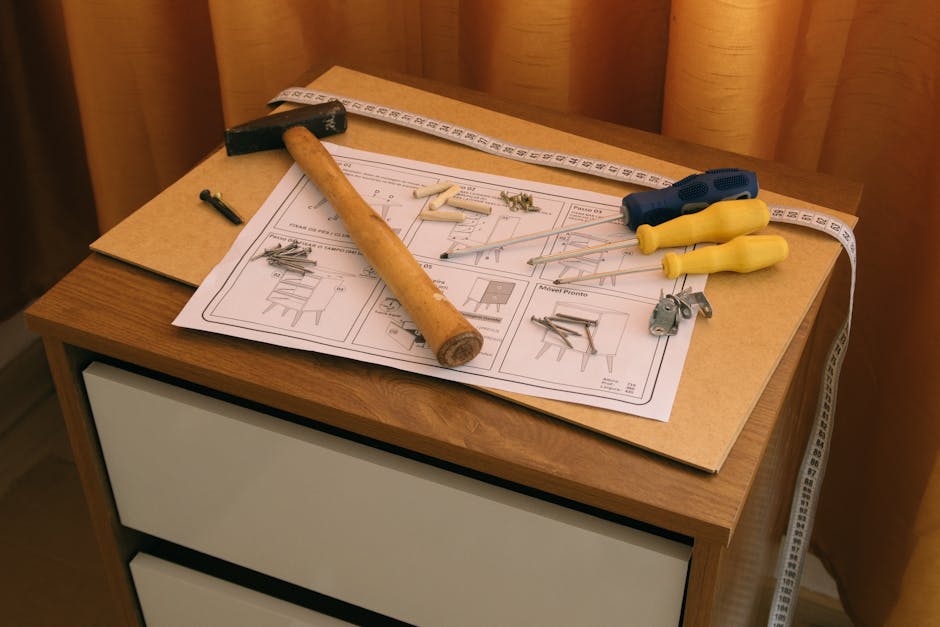
Best methods for disassembling furniture during removals jobs
Disassembling furniture during a move can save time, protect your belongings, and make the whole day feel far less chaotic. The trick is knowing which pieces to take apart, how far to go, and what order to do it in. That sounds simple enough, but in real removals jobs it's usually the difference between a smooth lift through a narrow hallway and a scratched wardrobe wedged sideways in the stairwell at 8:30 on a damp Tuesday morning. Not ideal.
This guide explains the best methods for disassembling furniture during removals jobs, from quick wins like removing legs and handles to more involved breakdowns for wardrobes, beds, desks, and modular pieces. You'll also get practical steps, common mistakes, tool advice, and a simple checklist you can actually use on moving day. If you want the job done properly the first time, you're in the right place.
Table of Contents
- Why it matters
- How it works
- Key benefits and practical advantages
- Who this is for and when it makes sense
- Step-by-step guidance
- Expert tips for better results
- Common mistakes to avoid
- Tools, resources and recommendations
- Law, compliance, standards, or best practice
- Options, methods, or comparison table
- Case study or real-world example
- Practical checklist
- Conclusion
- Frequently asked questions
Why Best methods for disassembling furniture during removals jobs Matters
Furniture is often the biggest source of friction in a move. A sofa may fit through the front door, but not around the landing. A bed frame may be light enough on its own, yet impossible to handle as a single piece once you add a tight staircase, low ceiling, or awkward turn. That's why proper disassembly matters so much: it turns bulky, awkward items into smaller, safer, easier-to-carry parts.
In practice, the best methods for disassembling furniture during removals jobs reduce damage, reduce labour strain, and make the loading process more efficient. They also help protect shared spaces. If you're moving out of a flat in a converted terrace, for example, a careful dismantle can save the bannister, walls, and your deposit. Truth be told, it's rarely the glamorous part of a move, but it often has the biggest impact.
There's also a timing angle. On busy moving days, every minute matters. If the crew spends ages wrestling a wardrobe around corners, that time ripples through the whole job. A sensible disassembly plan keeps things moving, and lets the removal team work in a cleaner rhythm. Less shouting. Less backtracking. Less risk of that awkward moment when someone says, "Can we just pivot it a bit?" and everyone knows that means trouble.
If you're planning a larger move, it can also help to think about disassembly alongside packing and transport planning. Some people coordinate it with packing and boxes, while others combine it with a broader move through home moves or house removals. The point is not just to take furniture apart. It's to make the whole removal safer and calmer.
How Best methods for disassembling furniture during removals jobs Works
The basic principle is straightforward: reduce the size, weight, and awkwardness of furniture before lifting or loading it. But the best approach depends on the type of item, the fixings used, and how it will need to travel. A sturdy wardrobe is not treated the same way as a flat-pack bed, and a solid wood dining table is different again.
The process usually follows a sensible sequence:
- Assess the furniture - check whether it can pass through doors and stairs intact, or whether it should come apart.
- Identify fixings - look for bolts, cam locks, screws, brackets, dowels, or glued joints.
- Remove loose parts first - shelves, cushions, drawers, handles, and legs.
- Take photos - before and during dismantling, so reassembly is easier later.
- Bag and label fittings - put screws and fittings in clearly marked bags.
- Separate panels safely - keep pressure even so boards do not crack or splinter.
- Protect surfaces - wrap panels and fragile edges before moving them out.
The best methods are not always the fastest-looking ones. In removals work, "fast" can be a trap. A slightly slower, more deliberate dismantle often prevents damage that would cost far more to fix. If you've ever seen a wardrobe panel bow because someone forced a stuck cam lock, you'll know what I mean. It's not pretty.
There are also practical differences between domestic and commercial jobs. An office move might involve modular desks, screen dividers, and storage units that can be broken down in a logical sequence. A home move may include a mix of flat-pack and older furniture with less forgiving fixings. For larger business jobs, commercial moves and office removals often need more planning because downtime matters as much as damage prevention.
Key Benefits and Practical Advantages
There are a few clear reasons professionals bother with careful furniture disassembly instead of just brute-forcing everything out the door. And yes, brute force sometimes looks tempting on a long day. Usually a bad idea, though.
- Less risk of damage - smaller pieces are easier to protect, angle, and carry.
- Safer lifting - team members can handle lighter components with better control.
- Better access - disassembly helps with tight hallways, narrow stairs, and awkward landings.
- Faster loading - flat parts and separated components stack more efficiently in the van or truck.
- Lower chance of property scuffs - fewer scraping incidents on walls, door frames, and flooring.
- Cleaner reassembly later - labelled parts and photographed stages make setup much easier at destination.
There is also a financial upside. Damage is expensive, even when it looks minor. A chipped veneer, a split panel, or a bent bracket can turn a routine move into an annoying repair job. If the furniture is a higher-value item, that matters even more. In some cases, careful disassembly can be the difference between a usable piece and one that ends up being replaced.
Another benefit that gets overlooked is stress reduction. You know that feeling when the route out of the property looks just a bit too tight? Taking a wardrobe apart on purpose is much less stressful than discovering halfway down the stairs that it should never have been moved whole. Small win, big relief.
For people comparing service levels, it's worth looking at overall handling standards too. Furniture disassembly is closely tied to how a firm approaches furniture removals, vehicle loading, and even removal services more generally. Good handling usually shows up in the details.
Who This Is For and When It Makes Sense
This topic matters to more people than you might think. If you're moving from a studio flat, the furniture may be few in number but surprisingly awkward. If you're moving a family home, the list gets longer and messier. If you're running a business relocation, the pressure rises again because the job has to be both safe and efficient.
Furniture disassembly makes sense when:
- an item will not fit through the access route intact
- the furniture is too heavy or awkward to lift safely as one piece
- the item has removable parts that improve handling
- there is a risk of scratching walls, floors, or the item itself
- you need to maximise space in a van or moving truck
- the furniture is modular, flat-pack, or designed to be assembled and dismantled
It is especially useful in flats, older homes, and properties with narrow staircases or tight turns. London properties can be a bit of a puzzle, can't they? One minute you have a clean hallway, the next you're dealing with a bend that seems designed to test everyone's patience.
It also makes sense for people with limited time or limited lifting ability. If you are arranging a move during work hours, or if the property needs clearing fast, a well-planned dismantle can save real time. That may be why some customers opt for man and van or man with van support for smaller loads, while others use house removalists for the full job.
Step-by-Step Guidance
The safest way to dismantle furniture is to work methodically. A rushed start usually creates missing screws, split boards, or a lot of muttered apologies. Here's a practical step-by-step approach that works well on real removals jobs.
1. Inspect the furniture before touching anything
Look for labels, screws, Allen bolts, brackets, and hidden fixings. Open drawers and doors. Check the back panel. Some pieces look complicated but are actually simple once you spot the fixings. Others are the opposite. Furniture likes to keep secrets.
2. Decide whether disassembly is actually worth it
Not every item should be taken apart. A small side table may move more safely as a whole. A very old dresser with fragile joints may be better protected and carried intact if disassembly risks damaging it. Use judgement. That's the boring answer, but it's the right one.
3. Clear the area around the item
Move rugs, ornaments, and anything that could get knocked. You want space to place components in an orderly way. A clear floor also helps stop fixings disappearing under the sofa, which they have an annoying habit of doing.
4. Remove obvious loose items first
Take out shelves, drawers, cushions, glass inserts, and detachable doors where possible. These parts are usually the easiest to handle and are often the first things to break if left in place. Wrap them straight away if they are fragile.
5. Photograph each stage
Take photos before removing parts and again as you expose key fixings. A few extra pictures can save a lot of head-scratching later. This is especially useful for wardrobes, bunk beds, modular sofas, and office furniture with multiple connectors.
6. Keep fixings sorted and labelled
Put screws, bolts, washers, and brackets into small bags. Label each bag by item and, if needed, by side or section. "Wardrobe left panel" is far better than "random bits bag." Trust me on that.
7. Work from the top down or outside in
This depends on the item, but the goal is to reduce strain on the frame as you dismantle it. For example, with a wardrobe, remove doors and shelves before taking apart the carcass. With a bed, start with the headboard, then the slats, then the side rails.
8. Separate panels carefully
Do not yank. If a panel resists, check for a missed screw or connector. Forcing it can snap the board around the fixings. A little patience here goes a long way.
9. Wrap and protect components
Use blankets, furniture covers, or protective wrap to shield surfaces and corners. Mark glass and mirror panels clearly. When the van doors shut and the engine starts up, you want everything secure and cushioned, not sliding around like a shopping trolley with a mind of its own.
10. Store parts together for reassembly
Keep related pieces grouped: fixings with the matching furniture, panels with their supporting hardware, and fragile parts separately protected. This is one of those tiny habits that saves a huge amount of time at the other end.
If you're moving a bed, there's a useful parallel with bed and mattress relocation. Beds are often simple, but only if you keep the order straight. If not, the slats somehow multiply, and nobody quite knows which bolt came from where.
Expert Tips for Better Results
These are the little things that make a big difference on real removals jobs.
- Use the right driver bit - a poor fit strips screw heads quickly.
- Loosen fixings before fully removing them where appropriate, so weight stays supported until you're ready.
- Work with two people for larger items - one can support the piece while the other removes fixings.
- Keep a small tool pouch with you so you are not walking back and forth for every stage.
- Protect the floor as well as the furniture - blankets, mats, or temporary coverings help avoid marks.
- Watch for hidden glue or dowels in older furniture; not everything comes apart cleanly.
- Check the exit route before dismantling so you know how each piece will turn and carry.
One practical tip that often gets overlooked: measure the longest component after disassembly, not just the original item. Sometimes the side panel or headboard is the part that causes the problem, not the whole unit. That small detail can determine whether it fits the lift, the stairwell, or the van bay.
Also, if you're doing a mixed move, think about timing. The cleaner the route and the better the packing order, the more useful the day becomes. If furniture is already being broken down, it may be the right moment to review the rest of the load too. Some customers combine this with packing and unpacking services or, for overflow, storage. That can take pressure off when completion times slip or keys run late.
Common Mistakes to Avoid
Most disassembly mistakes come from trying to move too fast or assuming all furniture behaves the same way. It doesn't. Not even close.
- Starting without checking the structure - hidden fixings cause most damage.
- Mixing up screws and fittings - reassembly becomes a guessing game.
- Forcing stuck joints - this is where cracks and splits happen.
- Ignoring the access route - an item may not need disassembly if it already fits, or may need much more than you first thought.
- Skipping photos - you'll regret it later, especially with multi-part items.
- Leaving glass or mirrors unsecured - they need extra care, not "we'll be fine."
- Disassembling in the wrong order - once support is removed too early, a frame can twist.
A smaller but very common issue is losing small parts during the move itself. Screws end up at the bottom of a bag with some loose cable ties and a mystery washer from another item. Helpful? Not remotely. Keep fittings clearly separated from the start. Tiny effort, big pay-off.
Another mistake is thinking every job should be done the same way. A student flat move with a single bed frame and desk is a different beast from a family home with wardrobes, dining furniture, and garden storage items. Even a simple student removals job benefits from a quick dismantle plan, especially when access is tight and time is short.
Tools, Resources and Recommendations
You don't need a workshop full of kit, but the right basic tools make a huge difference. The goal is control, not brute strength.
| Tool or item | What it helps with | Why it matters |
|---|---|---|
| Allen keys / hex keys | Flat-pack furniture, beds, modular units | Most common fittings rely on these |
| Screwdrivers | Panels, handles, brackets | Use the right head to avoid stripping |
| Socket set or spanner | Bolt-secured furniture | Useful for sturdier pieces and older items |
| Zip bags and labels | Storing fixings | Prevents reassembly headaches |
| Furniture blankets | Protection during carry and transport | Reduces scratches and impact marks |
| Marker pen and tape | Labelling panels and directions | Makes rebuilds faster and clearer |
| Gloves | Grip and hand protection | Useful for rough edges and metal parts |
There are also some simple resources worth having on hand: a phone camera, a small torch for looking behind units, and a notepad for recording where each fitting came from. Nothing fancy. Just sensible.
If the job involves bulky or awkward items, it can help to review vehicle and handling options as well. Some moves work best with a removal van, while larger jobs may justify a moving truck or even removal truck hire. The better the fit between item size and transport, the less stress on everyone.
Law, Compliance, Standards, or Best Practice
For most domestic furniture disassembly jobs, there is no special legal process just for taking furniture apart. That said, removals work still sits within broader expectations around safe handling, damage prevention, and reasonable care. In the UK, professional movers are generally expected to work in line with sensible health and safety practice, use suitable equipment, and avoid creating avoidable risk for customers, staff, or property.
Best practice usually means:
- planning manual handling properly
- using appropriate lifting techniques and team lifts where needed
- checking that dismantled parts are stored securely
- protecting communal areas such as hallways and stairwells
- being clear about what will and will not be disassembled
If a property is leasehold or shared, it is also wise to consider building rules, shared-access etiquette, and quiet-hour expectations. Not every block has the same approach, and a little consideration goes a long way. Nobody wants to be the person making a racket in the stairwell at the exact moment the neighbour is trying to work from home.
Insurance is another sensible point. If a moving company is handling your furniture, ask how they approach cover for dismantled items, damaged fixings, or glass components. Insurance and safety matter because the right process protects both sides. You may also want to check the firm's health and safety policy and, for practical expectations around service terms, the terms and conditions.
For unwanted furniture that will not be moving with you, a separate collection or disposal route may be better than forcing a dismantle just for the sake of it. That is where furniture pick up can be useful, especially if the piece is already beyond economical repair. Sustainability also matters here, and careful sorting can support recycling and sustainability goals without creating extra waste.
Options, Methods, or Comparison Table
Not every furniture item needs the same treatment. The right method depends on construction, access, value, and timing. Here's a simple comparison that helps with decision-making.
| Method | Best for | Pros | Watch out for |
|---|---|---|---|
| Partial disassembly | Tables, beds, wardrobes, desks | Fast, practical, keeps structure intact | Missed fixings or unstable parts |
| Full disassembly | Large modular furniture, office units, items with awkward access | Easier transport, easier handling | Longer reassembly, more fittings to track |
| Leave intact | Small, sturdy furniture that already fits easily | Less work, fewer fixings to lose | Possible access damage if misjudged |
| Professional dismantle and move | High-value, bulky, or delicate items | Experienced handling, lower risk | May cost more, needs planning |
In most removals jobs, partial disassembly is the sweet spot. Remove what reduces risk without creating unnecessary rebuild work. A bedside cabinet probably does not need much attention. A king-size bed frame with slats, headboard, and side rails almost certainly does.
Some people ask whether they should dismantle furniture themselves or leave it to the removal team. The honest answer is: it depends on time, confidence, and the item itself. If the furniture is expensive, unusually built, or likely to need exact reassembly, professional help can be the calmer choice. If it is standard flat-pack and you've got a free afternoon, DIY may be fine. There's no medal for making life harder than it needs to be.
Case Study or Real-World Example
A fairly typical London move might involve a one-bedroom flat with a double bed, a wardrobe, a desk, and a sofa. The access route is a narrow stairwell, and the lift is too small for the wardrobe in one piece. The easy decision is to try to "just get it down somehow." The better decision is to dismantle it first.
In a case like that, the team would usually remove the wardrobe doors, shelves, and internal fittings before taking the carcass apart. The bed would be broken down into rails, slats, and headboard. The desk might only need its legs removed. Suddenly the load becomes manageable. The hallway stays cleaner, the stairwell gets less battered, and the van is packed in a more stable way.
That kind of sequence also makes reassembly simpler at the destination. When each component is labelled and grouped properly, you avoid the old "one screw left over" mystery. Anyone who has moved more than once knows that feeling. It is never a great feeling.
If the customer is also moving contents into storage before settling into the new place, the dismantled furniture is easier to stack and protect. That can be particularly useful when keys are delayed or decorating comes first. In those situations, a bit of forward planning can make the whole move feel far more manageable.
Practical Checklist
Use this quick checklist before and during disassembly:
- Measure the item and the access route
- Decide whether full, partial, or no disassembly is best
- Gather tools, bags, labels, and protective wrapping
- Clear a working space around the furniture
- Photograph the item before removing parts
- Remove loose items first: drawers, shelves, cushions, doors
- Label every bag of fixings clearly
- Keep related parts together
- Wrap fragile components immediately
- Check that the route out of the property is protected
- Load dismantled parts in a stable, sensible order
- Keep reassembly notes handy for the destination
Expert summary: the best results usually come from a calm, measured approach rather than a rushed teardown. Remove what genuinely improves access, protect every part as you go, and keep fixings organised from the start. That simple discipline prevents most of the headaches people associate with moving day.
Conclusion
The best methods for disassembling furniture during removals jobs are the ones that make the move safer, quicker, and less stressful without creating extra problems later. In most cases, that means assessing the item properly, removing loose parts first, keeping fixings organised, protecting every component, and only dismantling as much as you actually need to. No more, no less.
If you're dealing with tight access, older furniture, or a busy moving schedule, a careful dismantle can save a lot of trouble. It's not the flashy part of the job, but it's often the part that decides whether the day feels smooth or slightly chaotic. And let's be honest, most people would prefer smooth.
If you want support with a move, a furniture pickup, or planning the right transport for bulky items, take the next step when you're ready. A little preparation now makes the whole day feel lighter later.
Get a free quote today and see how much you can save.
Frequently Asked Questions
What furniture should be disassembled before a move?
Large wardrobes, bed frames, desks, modular units, and anything with removable legs, shelves, or doors are usually good candidates. If an item is bulky, awkward, or likely to scrape walls, disassembly is often the safer choice.
Should I dismantle furniture myself or ask movers to do it?
It depends on the item, the time you have, and how confident you are with tools. Standard flat-pack furniture is often manageable, but valuable, fragile, or complex pieces are usually better handled by experienced movers.
What is the safest way to keep screws and fittings together?
Use small labelled bags and keep each furniture item's fittings separate. Tape the bag to a matching panel if appropriate, or store all related fittings in a clearly marked box. The key is not mixing different items together.
Do I need special tools for furniture disassembly?
Usually no. A basic set of screwdrivers, Allen keys, a socket set, labels, and packing materials is enough for many jobs. The important thing is using the correct size tool so you don't strip the fixings.
How do I know if a wardrobe should come apart?
If the wardrobe is too tall, too wide, or too awkward for the route out, it should probably be dismantled. If it fits comfortably and is structurally delicate, leaving it intact may be safer. Measure first if you can.
Is disassembling furniture worth it for a small move?
Often yes, especially if access is tight or the furniture is bulky. Even a small move can become awkward if one item blocks a staircase or hallway. Taking apart one or two pieces can save a lot of stress.
What are the biggest risks during furniture disassembly?
The main risks are stripped screw heads, split panels, lost fixings, and damage to walls or flooring during removal. Rushing the process is usually what causes most of these problems.
How long does it usually take to dismantle furniture?
It varies a lot. Simple items may take only a few minutes, while wardrobes, bunk beds, or office furniture can take longer. The best approach is to allow more time than you think you'll need, especially on a moving day.
Can disassembled furniture go into storage?
Yes, and it often stores better because the pieces stack more neatly and safely. Just make sure everything is dry, wrapped, and clearly labelled before it goes into storage.
What should I do if a screw is stuck or stripped?
Stop before forcing it. Try the correct driver size, check whether the screw is under tension, and use care. If it still won't move, it may be safer to get help than to damage the panel.
Does furniture disassembly affect insurance or damage cover?
It can, depending on who is handling the move and what cover applies. If professionals are involved, it's sensible to ask how dismantled items are protected and what their process is for damage prevention.
What type of furniture is hardest to dismantle?
Older solid wood pieces, furniture with hidden fixings, and large items with glued joints can be the most awkward. They often need a slower, more careful approach rather than standard flat-pack techniques.
Should I label furniture pieces by room or by item?
Both can help, but item-based labels are usually more useful for reassembly. Room labels help on moving day, while item labels keep the fixings and panels matched up when you unpack later.